I Check Circulatory Disorders
Circulatory disorders account for the majority of deaths in the UK, and play a vital role in the development of other complications. The most common circulatory disorders that are checked at Simon Foot Health Clinic are Peripheral Vascular Disease (PVD), also known as Peripheral Artery Disease (PAD) or Peripheral Artery Occlusive Disease (PAOD), and Neural Assessments which include Venous insufficiency checks.
Peripheral Vascular Disease
Peripheral Arterial Disease, PAD, or Peripheral Vascular Disease is a condition where narrowed arteries reduce blood flow to the limbs.
Early Detection and Diagnosis
- Vascular testing: I use non-invasive tools like the Ankle-Brachial Pressure Index (ABPI) test—comparing blood pressure in the arm and ankle—to spot reduced blood flow.
- Spotting silent signs: PAD can be asymptomatic early on. Routine checks catch subtle skin changes, hair loss on the lower legs, cool skin, or weak pulses before they worsen.
Prevention of Severe Complications
- Avoiding ulcers: Poor circulation means minor cuts or blisters struggle to heal, turning into dangerous ulcers or gangrene.
- Infection control: I safely manage nails and hard skin (calluses), preventing accidental breaks in the skin that invite severe bacterial infections.
- Reducing amputation risk: Monitoring circulation over time helps catch critical drops in blood supply early, allowing for prompt medical or surgical intervention.
Monitoring Overall Health
- Cardiovascular link: PAD is a strong indicator of widespread atherosclerosis (plaque buildup). Flagging changes in your feet helps alert your wider medical team to risks of heart attack or stroke.
- Tailored lifestyle advice: I provide actionable support on safe exercise regimens (like supervised walking programs) and smoking cessation to improve limb perfusion.
- Causes and Mechanism
-
Peripheral Artery Disease , PAD, is the primary symptom of atherosclerosis, fatty plaque buildup, that narrows the arteries supplying blood to the limbs.
-
Oxygen Demand: During exercise, active leg muscles require more oxygen-rich blood, but narrowed arteries cannot deliver enough, leading to an oxygen deficit that causes pain.
-
Rest Relief: The pain stops shortly after resting because the muscles require much less oxygen when inactive.
-
Importance of Early Detection:
Catching Peripheral Vascular Disease, PVD, —also frequently referred to as Peripheral Artery Disease, PAD, - early is clinically critical because it prevents devastating local cardiovascular events like limb amputation, while serving as a crucial warning sign to prevent systemic, fatal events like heart attacks and strokes. Because PVD is an architectural manifestation of systemic atherosclerosis (plaque buildup), it rarely exists in isolation.
The core clinical reasons to diagnose and treat PVD early include:
1. Minimizing the Risk of Major Adverse Cardiovascular Events (MACE)
- Systemic Marker: Arterial blockages in the legs strongly indicate that similar plaque buildup is occurring in the coronary (heart) and carotid (brain) arteries.
- Mortality Reduction: Catching PVD early allows clinicians to initiate aggressive medical secondary prevention—such as high-intensity statins, antiplatelet therapies, and blood pressure controls. This significantly reduces the long-term risk of myocardial infarction (heart attack) and stroke.
2. Preventing Limb Loss and Critical Limb Ischemia (CLI)
- Halting Progression: Left undetected, mild arterial narrowing can progress to Critical Limb Ischemia (CLI). This stage is marked by severe rest pain, gangrene, and non-healing ischemic ulcers.
- Avoiding Amputation: Early intervention via aggressive risk-factor modification protects lower-extremity perfusion, keeping the tissue viable and radically reducing the clinical eventuality of surgical amputation.
3. Preserving Mobility and Quality of Life
- Managing Claudication: Early detection catches patients when they are experiencing intermittent claudication (leg cramping or fatigue brought on by walking).
- Conservative Options: At this early threshold, a patient's functional status can be restored using non-invasive therapies like structured exercise programs and medications (e.g., cilostazol) to improve blood flow, bypassing the need for complex surgeries.
4. Enabling Less Invasive Treatment Strategies
- Lifestyle and Medical Management: Early stages can be successfully managed purely through medical therapies and behavioral modifications (such as smoking cessation and dietary changes).
- Simpler Procedures: If a clinical procedure becomes necessary later, treating a localized, early-stage blockage allows for minimally invasive endovascular interventions (like balloons or stenting) rather than highly invasive, open-vessel arterial bypass surgeries.

Early detection of Peripheral Artery Disease, PAD, is crucial for your foot health. Catching the disease early enables timely lifestyle changes, prevents severe complications like non-healing ulcers, and drastically reduces the risk of lower-extremity amputations.
Common foot conditions treated at Simon Foot Health Clinic
At Simon Foot Health Clinic, I address a wide range of foot conditions to keep you comfortable and active. I typically diagnose, treat and provide ongoing care for the following disorders of the foot: Onychocryptosis (Ingrown toenails), Onychogryphosis (ram's horn nails), Onychauxis (thickened nails), Onychophosis (hardened skin/callus build-up in the nail sulcus), Onychomycosis (fungal nail infection), Verruca Pedis (verrucas/warts), Tinea Pedis (athlete's foot), Heloma Durum (hard corns), Heloma Molle (soft corns), Heloma Milliare (seed corns/Lister corn). I conduct NVA (Neural Vascular Assessments) on your first appointment to evaluate the health of the nerves ("neuro") and blood vessels ("vascular") in the lower limbs. These assessments are critical for identifying early signs of conditions that can cause severe, long-term complications—such as non-healing ulcers, amputation, or chronic pain—if not managed properly.
Some of the treatment services offered at Simon Foot Health Clinic:

Ingrown Toenail
An ingrown toenail: Happens when the edge or corner of a toenail grows into the soft skin next to it.
Causes of Ingrown Toenails
- Improper trimming: Cutting nails too short or rounding the edges makes the skin fold over the nail.
- Tight shoes: Shoes or socks that squeeze your toes put too much pressure on the nail.
- Injury: Stubbing your toe or dropping something on it can change how the nail grows.
- Genetics: Some people inherit a natural nail shape that curves inward.
- Sweat: Damp feet soften the skin, making it easier for the nail to pierce through.
At Simon Foot Health Clinic, we check the toe for redness, swelling, or signs of infection. We carefully remove the sharp piece of nail digging into the skin using sterile instruments. We dress the toe, and give you cleaning instructions, and suggest better footwear or trimming habits.
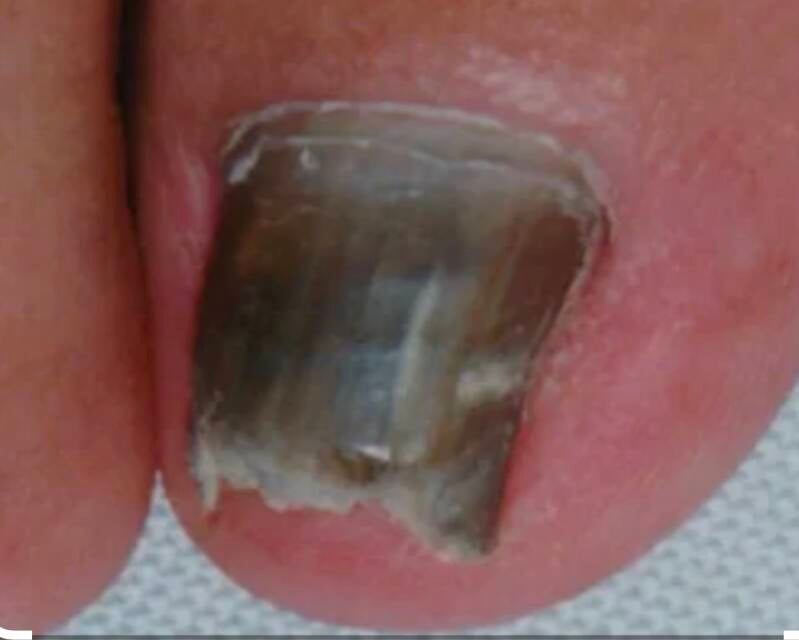
Fungal Nail Infection
Fungal nail infections are primarily caused by dermatophyte fungi spreading from skin conditions like athlete's foot into the nail bed.
Causes of Fungal Nail Infections
- Dermatophytes: The same microscopic mould fungi responsible for athlete's foot invade the keratin of the nail plate.
- Environment: Fungi thrive in warm, dark, and damp areas, such as sweaty feet enclosed in tight shoes or synthetic socks.
- Risk Factors: Nail trauma, older age (due to slower nail growth and reduced circulation), a weakened immune system, and conditions like diabetes or psoriasis increase susceptibility.
How to Prevent Fungal Nail Infections
- Treat Skin Promptly: Address athlete's foot immediately to stop it from jumping to the toenails.
- Maintain Hygiene: Wash feet daily and dry them completely, especially between your toes.
- Manage Moisture: Change your socks every day, choosing moisture-wicking natural fibers or sports fabrics.
- Wear Proper Footwear: Opt for breathable, well-fitting shoes made of leather or mesh, and avoid wearing the exact same pair two days in a row.
- Protect Public Feet: Always wear flip-flops or shower shoes in communal areas like gym locker rooms and public pools.
- Sanitize Tools: Never share nail clippers or socks, and clean your cutting tools regularly.
What to Expect During a Visit at Simon Foot Health Clinic
- Medical History Review: We will discuss your general health, lifestyle, and any symptoms or underlying conditions like diabetes.
- Physical Examination: We will carefully examine your toenails and surrounding skin to assess the extent of the damage and check for co-existing infections like athlete's foot.
- Diagnostic Testing: If unsure whether the thickening or discoloration is fungal, we may perform a rapid in-clinic diagnostic test or take a small nail clipping.
- Nail Reduction: Using specialized sterile equipment or a rotary podiatry drill, we will gently file down and thin thickened parts of the nail to reduce discomfort and help topical treatments penetrate.
- Treatment Planning: We will outline a customized care plan, which may include specialized topical lacquers.
- Aftercare Advice: You will receive personalized guidance on home foot hygiene, footwear choices, and managing reinfection risks.
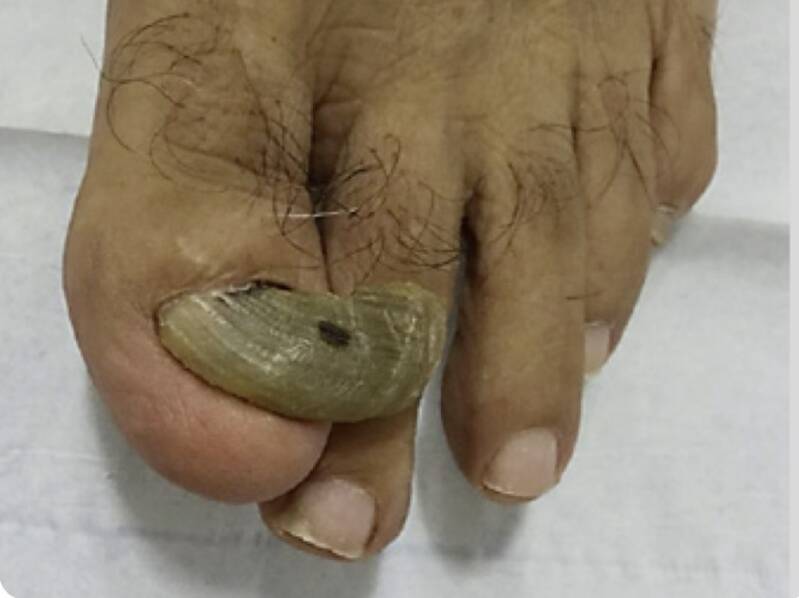
Ram's Horn Nails
Ram's horn nails, clinically known as onychogryphosis, are a nail disorder where the nail plate becomes excessively thick, yellow-brown, and curved like an animal horn.
Causes of Ram's Horn Nails
- Physical trauma: Repeated pressure from tight shoes or a heavy injury to the toe.
- Medical conditions: Poor blood circulation, diabetes, psoriasis, or peripheral vascular disease.
- Fungal infections: Long-term mycotic infections that damage how the nail grows.
- Aging and neglect: Natural changes in older age combined with difficulty trimming the nails.
How to Prevent Them
- Wear proper shoes: Choose footwear with a wide and deep toe box to stop toe pressure.
- Trim nails safely: Cut toenails straight across and maintain regular foot hygiene.
- Manage health issues: Control blood sugar and treat early fungal infections before they worsen.
- Inspect feet often: Check older or high-risk feet early for changes in nail thickness or color.
What to Expect at Simon Foot Health Clinic
- Assessment: We will review your medical history, check your circulation, and examine the thickness and shape of the nail.
- Painless reduction: We will use specialized medical nippers and a high-speed nail drill to safely thin and shorten the hard nail.
- Debris clearing: We will clean out dead skin and buildup trapped underneath the nail plate.
- Aftercare advice: We will provide a customized plan for footwear, hygiene, and follow-up trimming schedules.
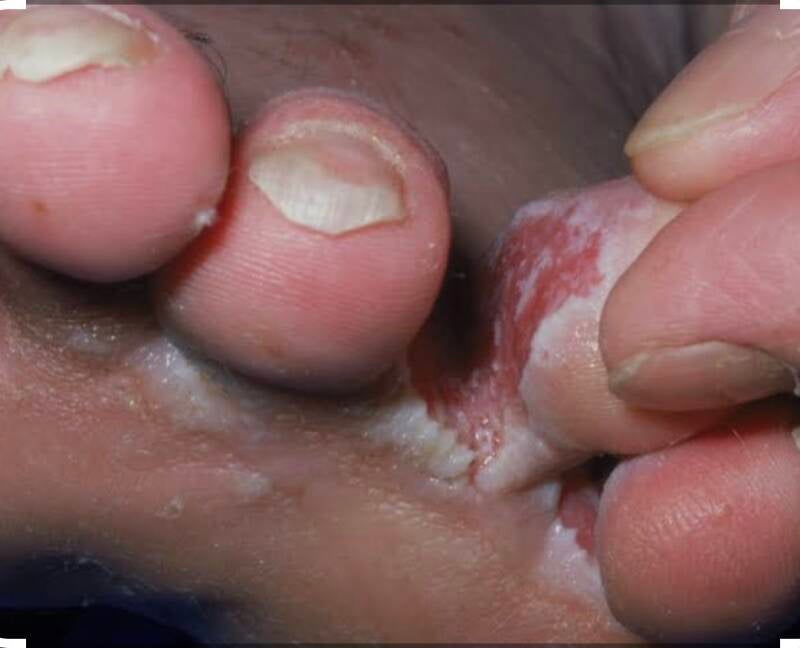
Athlete's Foot
Athlete's foot (Tinea Pedis) is a common fungal skin infection that typically starts between the toes.
Causes of Athlete's Foot
- Dermatophytes: Microscopic fungi feed on keratin, a protein found in skin, hair, and nails.
- Warm, damp areas: Fungi thrive in humid environments like swimming pools, gym locker rooms, and communal showers.
- Direct or indirect contact: Walking barefoot where an infected person has shed skin flakes, or sharing towels, socks, and shoes.
- Sweaty feet: Wearing tight, enclosed shoes traps heat and moisture, creating a breeding ground.
Symptoms of Athlete's Foot
- Itching and burning: A stinging, itchy, or burning sensation, often between the toes or on the soles.
- Cracking and peeling: Dry, scaly, or peeling skin that may crack or bleed.
- Macerated skin: Moist, soft, white patches between the toes.
- Blisters: Small, itchy fluid-filled blisters or bumps.
- Odor: An unpleasant or musty smell.
What to Expect at Simon Foot Health Clinic
- Visual assessment: We will examine your skin and nails.
- Medical history review: We ask about your symptoms, footwear habits, and medical background (such as diabetes or circulation issues).
- Treatment plan: We remove dead or hard scaly skin safely, apply topical specialized antifungal treatment.
- Hygiene advice: We demonstrate correct foot-drying techniques and shoe-care regimens to prevent reinfection.

Verruca Pedis
Verruca Pedis, or plantar warts, are caused by an infection with the human papillomavirus, HPV, in the top layer of skin.
What Causes Verrucas
- HPV Infection: Specific strains of the human papillomavirus infect the epidermis.
- Wet or Damaged Skin: Small cuts, scratches, or softened wet skin make it easy for the virus to enter.
- Warm, Damp Places: The virus thrives in areas like public showers, gym locker rooms, and swimming pool surrounds.
- Direct and Indirect Contact: Walking barefoot on contaminated floors or sharing towels and shoes spreads the virus.
How to Prevent Verrucas
- Wear Flip-Flops: Put on sandals or pool shoes in communal showers and public changing rooms.
- Keep Feet Dry: Wash and dry your feet well every day, especially between your toes.
- Change Socks Daily: Put on clean socks every single day.
- Cover the Lesion: Use a waterproof plaster over a verruca when you go swimming.
- Do Not Share Items: Avoid sharing towels, shoes, socks, or foot-care tools like pumice stones.
- Do Not Pick: Avoid scratching or picking at the verruca, as this spreads the virus.
What to Expect at Simon Foot Health Clinic
- Initial Assessment: We will examine your foot, confirm if the lesion is a verruca or a corn, and discuss your medical history.
- Debridement: We may pare down the hard top layer of dead skin over the verruca using a scalpel blade to expose the lesion clearly. This is generally painless.
- Treatment Application: We will apply a targeted treatment.
- Aftercare Advice: We will explain how to care for your foot at home, when to return for a follow-up visit, and how to prevent the infection from spreading further.

Hard Corns
Hard corns are small, concentrated plugs of dead, hardened skin that form as the body's protective response to repeated pressure and friction.
Causes of Hard Corns
- Ill-fitting footwear: Wearing tight, narrow shoes, high heels, or shoes with rough inner seams that rub against the skin.
- Structural foot issues: Deformities like hammertoes, bunions, or bony prominences that create high-pressure spots.
- Abnormal walking patterns: How your weight distributes across your feet during movement (gait abnormalities).
- Lack of cushioning: Walking barefoot or wearing shoes without adequate padding over bony areas.
Symptoms of Hard Corns
- Thickened bump: A small, distinct, raised lump of hard skin, typically found on the tops of smaller toes or the outer side of the little toe.
- Central core: A hard, cone-shaped center that points inward toward the deeper layers of tissue.
- Localized pain: Sharp or pinpoint pain when direct pressure or footwear presses on the area.
- Stone sensation: Feeling as though you have a small pebble trapped inside your shoe when walking.
What to Expect at Simon Foot Health Clinic
- Assessment: We will examine your foot, assess the lesion, and discuss your footwear and medical history.
- Safe removal: We will use a sterile surgical blade to carefully pare down and remove the hardened outer layers and central core painlessly.
- Filing and smoothing: The remaining skin is smoothed with a file or grinder to relieve immediate discomfort.
- Advice and padding: We may provide custom padding, toe separators, or footwear recommendations to stop the pressure from returning.

Callus in Nail Sulcus
A callus in the toe nail sulcus, the groove between the side of the nail plate and the skin fold, is caused by repeated friction or localized pressure in that specific narrow groove.
Causes
- Ill-fitting footwear: Shoes with narrow toe boxes squeeze the toes together, pressing the skin fold tightly against the side of the nail.
- Abnormal nail shape or growth: Involution (curved or inward-turning nails) or fungal thickening presses hard against the lateral nail fold.
- Gait and foot mechanics: How your foot rolls or functions can force toes against each other or distort the soft tissue during walking.
- Minor trauma or nail picking: Past damage or improper trimming leaves sharp nail edges that rub the sulcus.
Symptoms
- Localized discomfort or sharp pain: Often feels like a small pebble or splinter is stuck down the side of the nail when wearing shoes.
- Thickened skin: A hard, yellowish ridge of skin visible inside the nail groove.
What to Expect Simon Foot Health Clinic
- Assessment: We will examine your toe, ask about your footwear and pain levels, and check for underlying issues like ingrown toenails or bone pressure.
- Gentle Debridement: We will use specialized sterile instruments (such as a fine curette or scalpel) to carefully clear and remove the thickened callus tissue from the nail groove.
- Relief and Advice: We may insert a small dressing or tamponade between the nail plate and the skin fold to offload pressure, prevent recurrence, and give the tissue space to heal.

Seed Corns
Seed corns are tiny, hard circular spots of thickened skin that typically develop on the soles of the feet.
Causes of Seed Corns
- Dry skin: Skin that lacks moisture is much more prone to forming these concentrated hard spots.
- Friction and pressure: Repeated rubbing or heavy weight-bearing stress on specific areas of the sole causes the skin to thicken defensively.
- Improper footwear: Shoes that are too tight, too loose, or lack adequate padding cause the foot to slide or rub continuously.
- Abnormal gait: Walking patterns that unevenly distribute weight put extra pressure on certain parts of the foot.
- Foot structure: Bony prominences or structural deformities bring bones closer to the surface, increasing local pressure.
Symptoms
- Small hard lumps: Tiny, well-defined circular lesions that often look like seeds embedded in the skin.
- Clusters: They often appear alone or in small groups on the bottom of the foot.
- Tender or painless: They are frequently painless, but can cause mild discomfort, tenderness, or a sharp point-like feeling when pressed during walking.
What to Expect When You Visit Simon Foot Health Clinic
- Foot assessment: We will examine your foot, check the lesion, and ask about your footwear and daily activities.
- Diagnosis: We will confirm if the spot is a seed corn, a callus, or another issue like a plantar wart.
- Safe removal: Using sterile surgical blades or instruments, we will gently pare or trim down the hard core of dead skin. This is generally painless because the skin is dead.
- Advice and prevention: We will offer tailored tips on better-fitting shoes, padding, or orthotics to stop the corn from coming back.

Thickened Nails
Thickened toenails happen when the nail plate becomes abnormally dense, hard, or overgrown.
Causes of Thickened Toenails
- Fungal infections: A fungal nail infection (onychomycosis) is one of the most common causes, making nails crumbly and discolored.
- Trauma or injury: Stubbing a toe or wearing tight shoes causes repeated pressure, making the nail grow thick to protect itself.
- Aging: Toenails naturally thicken and grow slower over time due to reduced blood flow.
- Health conditions: Conditions like psoriasis, eczema, diabetes, or poor circulation affect normal nail growth.
Symptoms
- Nails that look yellow, brown, white, or opaque.
- A hard, dense, or misshapen nail plate that is difficult to trim with standard clippers.
- Brittle or crumbly edges.
- Pain or pressure under the nail when wearing shoes.
What to Expect at Simon Foot Health Clinic
- Medical history: We will ask about your health, lifestyle, and any past injuries to find the cause.
- Foot assessment: We will examine your skin, toes, and nails closely.
- Nail reduction: We will use specialized electric instruments to safely and painlessly grind down and thin the thick nail.
- Nail cutting: We will trim and shape the nails properly using professional tools.
- Treatment: We may apply topical treatments for fungus, or recommend footwear changes, or regular maintenance routines.

Diabetic Foot Care
At Simon Foot Health Clinic, I conduct a Professional Diabetic Foot Assessment and Care which involves a full history check, a skin and nail examination, circulatory checks and sensory tests.
What Happens During a Visit
- Nerve Test: Using a small tool called a monofilament to check if you can feel touch on your skin.
- Blood Flow Test: Checking your circulation using a small Doppler machine or feeling pulses in your feet.
- Skin Care: Looking for dry skin, hard calluses, or corns that need safe removal.
- Nail Care: Trimming and cleaning toenails carefully to prevent ingrown edges which can lead to non-healing diabetic ulcers which are open sores that fail to progress through the normal stages of healing or repair due to poor blood circulation, nerve damage, and chronic inflammation which traps the wound in an inflammatory phase with elevated protease activity that breaks down healing tissue.
Importance:
Regular diabetic foot assessments and care are essential because high blood sugar levels can damage nerves and reduce blood flow, leading to serious, life-altering complications.
Key Reasons for Regular Assessments
- Catching Nerve Damage Early: Diabetes causes peripheral neuropathy, which makes you lose feeling in your feet so you might not notice cuts, blisters, or sores.
- Checking Blood Circulation: Reduced blood flow slows down healing, making minor injuries hard to repair and increasing the risk of severe infections.
- Preventing Ulcers and Amputations: I check for hidden problems like calluses with bleeding underneath or early skin breakdown before they turn into dangerous open ulcers.
- Monitoring Skin and Nails: Regular checks identify fungal infections, ingrown toenails, and foot deformities that require professional treatment.
- Getting Expert Guidance: I provide customized advice on proper footwear and daily home care routines to keep your feet safe, to prevent diabetes related complications that lead to amputation of lower limbs.

Soft Corns
Soft corns are thickened areas of skin that develop between the toes due to a mix of friction, pressure, and trapped moisture.
Causes of Soft Corns
- Trapped moisture: Sweat builds up between the toes or feet that are not dried properly after washing, making the skin soft and rubbery (macerated).
- Shoe pressure: Tight, narrow shoes or high heels squeeze the toes together.
- Bony prominences: Toe joints rub against each other or against the inside of footwear.
- Lack of socks: Going barefoot or wearing shoes without socks increases direct skin friction.
Symptoms of Soft Corns
- Appearance: They look white or greyish and feel soft, rubbery, or moist to the touch.
- Location: They form strictly between the toes, most often in the space between the fourth and fifth (little) toes.
- Pain: They can cause sharp pain, tenderness, or deep discomfort when walking or when your shoes press your toes together.
What to Expect Simon Foot Health Clinic
- Assessment: We will ask about your symptoms, medical history, and footwear habits. We will examine your toes and check how your joints move.
- Removal: We will use a sterile surgical blade (scalpel) to gently pare down and remove the softened, thickened skin. This is generally painless because the tissue is dead skin.
- Advice and prevention: We will recommend wider shoes, separation pads, or specialized toe spacers to stop the skin from rubbing. We will also teach you how to properly dry and care for the spaces between your toes.

Bunion Care
Bunions are bony bumps that form on the joint at the base of your big toe when your foot bones move out of place.
Causes of Bunions
- Family history: Faulty foot mechanics and bone shapes often run in families.
- Foot structure: Having flat feet or low arches puts extra stress on the joint.
- Footwear: Wearing tight, narrow, or high-heeled shoes crowds the toes and makes the problem worse.
- Joint conditions: Arthritis, such as rheumatoid arthritis or osteoarthritis, contributes to joint damage.
Symptoms of Bunions
- A hard bump on the side of the foot at the base of the big toe
- The big toe pointing in toward your other toes
- Red, swollen, or sore skin around the joint
- Pain or stiffness when moving the big toe
- Corns or calluses where the toes rub together
What to Expect at a Simon Foot Health Clinic
- Foot assessment: We will look at your foot shape, check how your joints move, and assess your walking style.
- Discussion: We will ask about your daily pain levels, medical history, and the types of shoes you wear.
- Practical care: We will treat painful skin problems like corns and calluses caused by rubbing.
- Advice and tools: We will recommend wide-fitting shoes, supply bunion pads or toe spacers, and suggest custom shoe inserts (orthotics) to ease pressure.
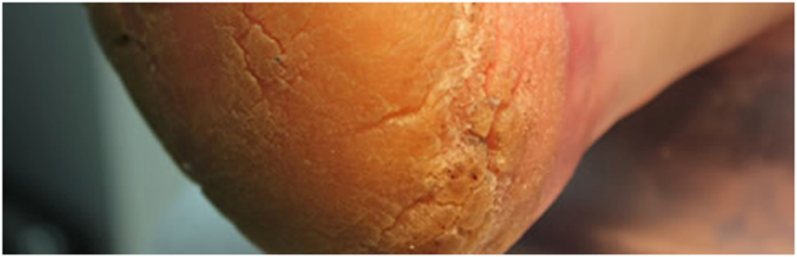
Anhidrotic Fissures
Anhidrotic fissures are deep, linear cracks in the skin—most commonly on the heels—caused by severe skin dryness linked to a lack of sweat production, combined with the mechanical pressure of walking and standing.
Causes of Anhidrotic Fissures
- Reduced Sweat Production (Anhidrosis): A lack of natural moisture and oils makes the outer skin layer brittle.
- Autonomic Neuropathy: Nerve damage—frequently related to diabetes-can stop sweat glands in the feet from working properly.
- Mechanical Pressure: Prolonged standing or walking on hard surfaces forces the heel's fat pad to expand sideways, splitting the dry, inflexible skin.
- Footwear Choices: Frequently wearing open-backed shoes, sandals, or walking barefoot removes side support for the heel and dries out the skin.
- Aging and Skin Conditions: Natural aging thins the skin, while conditions like eczema, psoriasis, and hypothyroidism worsen dryness.
Symptoms
- Rough, Flaky Skin: Dry patches or a thick, hardened border of callus around the heel.
- Visible Splits: Fine lines that deepen into noticeable linear cracks in the outer skin layer.
- Discoloration: Mild yellow or dark discoloration around the hardened edges of the callus.
- Pain and Bleeding: Sharp or dull pain when standing, accompanied by superficial or deep bleeding from the cracks.
What to Expect at Simon Foot Health Clinic
- Initial Assessment: We will review your medical history, check your circulation and nerve sensation, and examine the depth of the cracks.
- Safe Debridement: We will use specialized surgical blades or instruments to painlessly pare down and remove the thick, hard callus surrounding the fissures.
- Dressing and Care: Deep or bleeding fissures are cleaned and dressed safely to prevent bacteria from entering.
- Personalized Advice: You receive tailored recommendations for urea-based emollients, daily moisturizing routines, and supportive footwear changes.

Comprehensive foot care
My comprehensive approach includes routine check-ups, thorough assessments, and personalized treatment plans. I take the time to understand your specific needs and develop a treatment strategy to achieve and maintain optimal foot health.
Prevention and education
I'm passionate about prevention. I offer advice on proper footwear, foot hygiene, and other preventative measures.
